WELCOME THE LAUREL SCHOOL TODDLER, PRESCHOOL & PRE-KINDERGARTEN VIRTUAL CLASSROOMS
  • Welcome
  • Toddler
    • Ms. Naomi & Ms. Haley
    • Ms. Margo & Ms. Tonia
  • Preschool
    • Ms. Rachel
    • Ms. Julia
    • Ms. Taisha
    • Ms. Amanda
    • You Tube Stories & Songs
  • Pre-Kindergarten
    • Ms. Lynn
    • Ms. Nancy
  • Ms. Sunny's Corner
  • Student & Family Shares!
  • Contact

Ms. Nancy 
Pre-kindergarten

Here are some resources for families to access at home!

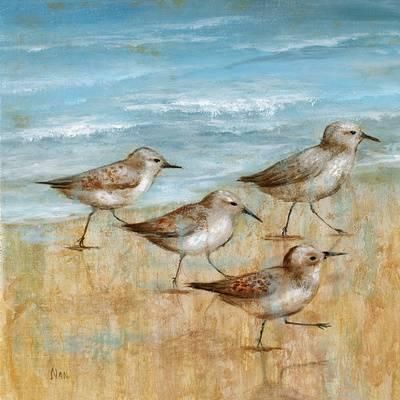
Sandpiper

5/18/2020

0 Comments

 
Hi Friends…

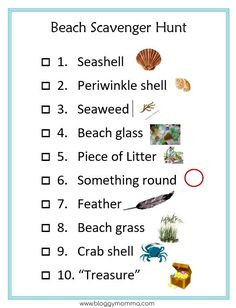
For this activity...let’s head to the beach! You will be looking for footprints in the sand. Can you see any animal footprints? human footprints? shoe prints? etc. Also, you will be going on a beach scavenger hunt. 


What is the lesson (overall purpose)?  The purpose of this activity is to learn about the sandpiper. Have you ever seen a sandpiper at the beach? Or maybe you have seen one, and not known what it was. 


MA Guidelines/Standards:
Use both sides of the body to strengthen bilateral coordination. Link to Physical Activity and Fitness 2.1
-lift objects with both hands

Practice personal hygiene and safety measures. Link to Nutrition 3.2, 3.6, 3.7 (keeping body warm and safe)


Learning Outcomes: Being able to identify a sandpiper on Cape Cod. 

Info about sandpipers: 
Sandpipers are familiar birds that are often seen running near the water's edge on beaches and tidal mud flats. The common sandpiper has a brown upper body and a white underside. When at rest its wingtips reach halfway back to its tail.

There are over 80 species of sandpipers that live all over the world. Sandpipers migrate, they travel to different places during the winter months on Cape Cod. 

Spotted sandpipers are carnivores. They eat nearly all animals that they find that are small enough for them to eat. Some of the foods they eat are midges, fish, mayflies, flies, grasshoppers, crickets, beetles, worms, caterpillars, mollusks, crustaceans, spiders, and dead fish. Some species peck along the ground, others probe their beaks into sand or mud, and others run along in shallow water scooping prey with their beak.

Sandpipers can survive for up to 12 years in the wild. 


Songs, Books & Videos (Motivational Techniques)
Sandpiper sing along: https://youtu.be/C2ST3id2JKI 

Materials:
*play shoes/water shoes
*warm clothes
*bag or bucket (for collecting “treasures”). 

Activity (Procedure):
Let's head to the beach! 

Beach Exploration: 

Can you see any footprints in the sand? (dry vs. wet sand)

Are there any animal footprints near the water? human footprints? 

Is it low tide/high tide? Are there any tidal flats? 

Do you see any birds flying overhead? Do you see any sandpipers? 

Scavenger Hunt: What can you find at the beach? 

Activity Wrap Up:
What kind of treasure did you find at the beach? Did you see any birds? footprints? Was it windy and cold at the beach? Was the sun out? 

How do I know what my child is learning? (Assessment)
Recall: Have your child sequence the trip to the beach. How did you get there? What time of day did you go? What was the first thing you did when you got to the beach, next? last? Did you see any birds at the beach? What did they look like? What kind of footprints did you see? animal/human? Was it easier to see the footprints in the wet sand vs. dry sand? What did you like best about the beach today? Have you ever been to this beach before? Or was it a new beach that you never went to? 

How can you extend this activity? (Modifications)
Play “Following The Leader”: Take turns being the leader. Practice climbing over/under objects, using the words left/right, stop/go, taking shorter/longer steps. Different types of body movements: hop on 1 foot, 2 footed jump, balancing on 1 foot stance, running, skipping, galloping, etc. 

Play “Simon Says”: Substitute your name instead of Simon. Use the above movements to see if you can trick the person who is playing with you. 


Helpful Hints: (Pitfalls & Solutions)
If you can’t get to the beach today...act out the sandpiper song (see link above). How fast can you scurry from one side of the room to the other side (or outside in your yard)? Can you pretend you are playing in the waves (high knees while stepping or jumping over pretend waves/pool noodle)?
0 Comments

Robins & bird baths

5/15/2020

0 Comments

 
Hi Friends…

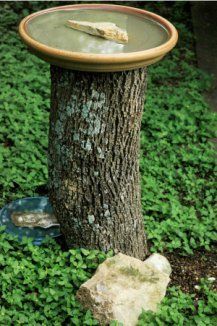
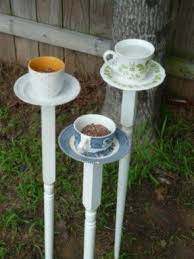
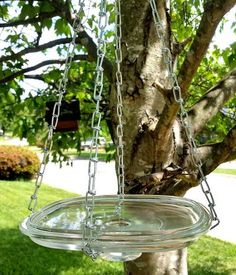
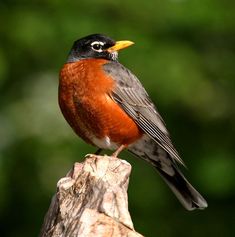
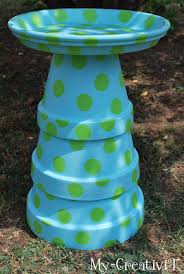
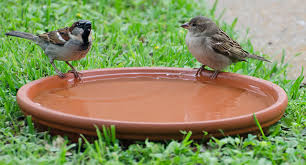
Do you have a bird bath in your yard? If not, no worries. We will be making one. To make a bird bath today, I want you to look around your house and yard to see what you can create your own bird bath with. Be creative as you create a place where birds can take a bath or get a drink. Have fun! 
(PS. I would love to see a picture of it when you are done). : )

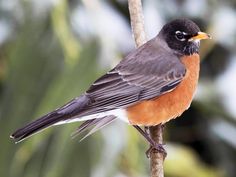
What is the lesson (overall purpose)?  To learn about robins and how to attract other birds to your yard. 

MA Guidelines/Standards:
Observe and identify the characteristics and needs of living things: humans, animals, and plants. Link to Characteristics of Living Things 2.1


Learning Outcomes: What do robins eat? Robins don’t typically eat seeds. How can you attract a robin to your yard? Let's build a bird bath!


Songs, Books & Videos (Motivational Techniques)
All about robins: https://youtu.be/qGz-pO0QTN4 
My Spring Robin (book): https://youtu.be/HQ2ap3AMh_Q 
Birds in the puddle: https://youtu.be/M9l2fXIK2zc 

Materials:
Let’s reuse materials that you already have on hand. Look in your house as well as in nature to find the materials that you will need.  (see pictures for some ideas). 

examples: different size plant pots, shallow dishes/bowls, tree stumps, casserole lids, rope, old sinks, etc.


Activity (Procedure):
Set up a place that you can use to create your bird bath. Gather all the materials that you have found and put them all together in your work space. Then have fun building and creating. 

Once you have your bird bath completed. Move outside and put some water in it. 

Then wait for the birds to visit. 

Activity Wrap Up: 
What birds did you see visit the bird bath? Can you hang a bird feeder near it? 

How do I know what my child is learning? (Assessment)
Talk about the process of building the bird bath. Was it hard? What materials did you use and what made you think of it? What other things can we build with recycled materials? 

How can you extend this activity? (Modifications)
Watch the video of birds in a puddle. What are the birds doing? Are they taking a bath? drinking water?
Do you like to take a bath? drink water? When you are taking a bath...pretend that you are a bird in a puddle.  

Helpful Hints: (Pitfalls & Solutions)
If you can’t create a birdbath...make a puddle with water (hose is helpful) on a non-absorbent surface. Watch the puddle to see if birds come.

0 Comments

Chickadees

5/14/2020

0 Comments

 
Hi Friends…

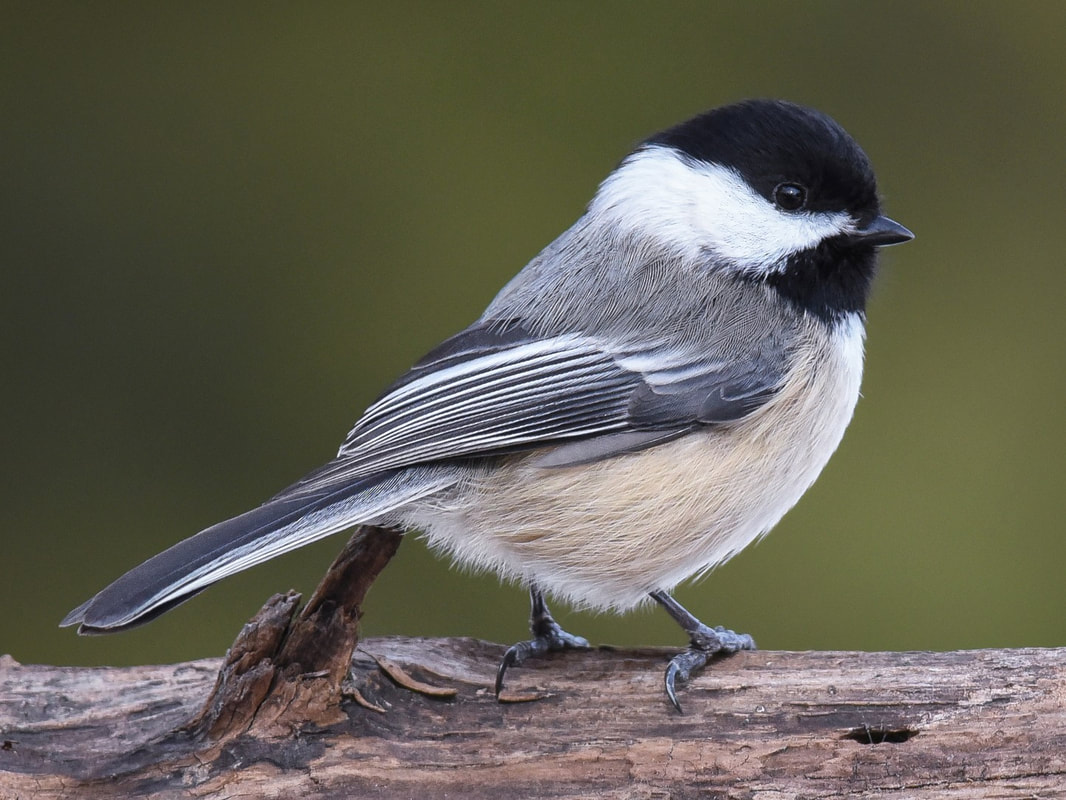
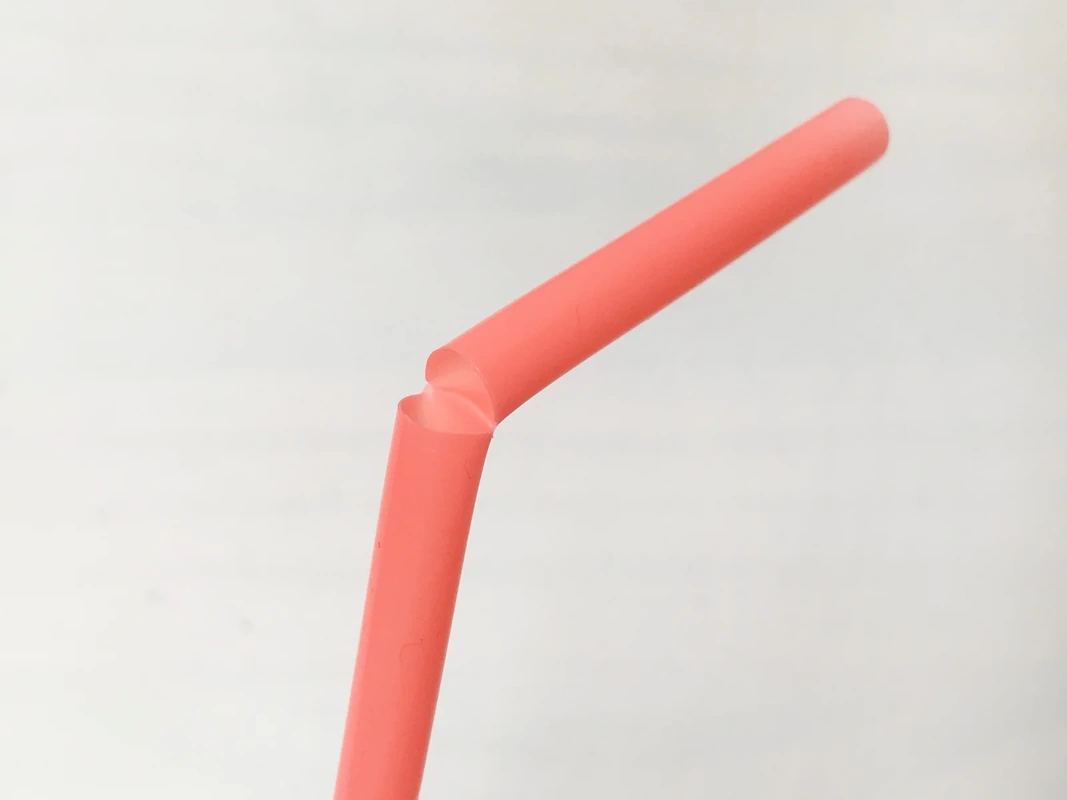
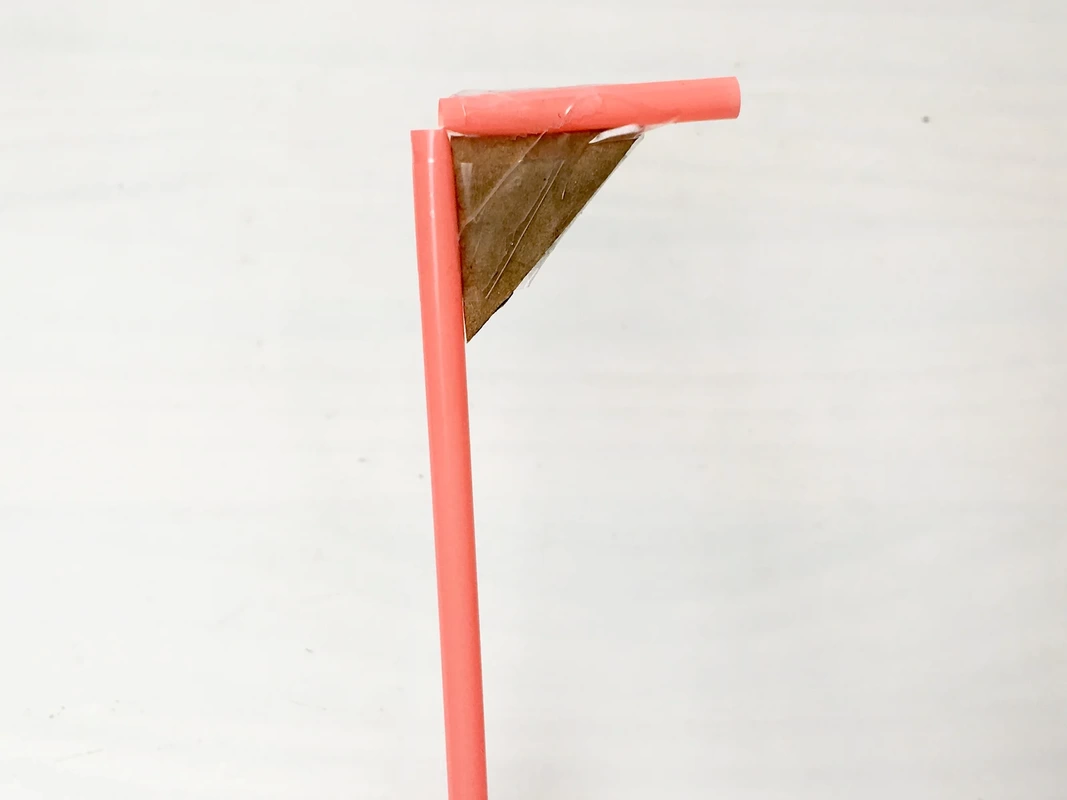
Today’s project is making a water whistle using a straw and a cup of water. Do you know how to whistle with your own lips? Let’s learn how to talk to the birds! : )

0 Comments

Butterfly update: Off they go

5/14/2020

0 Comments

 
Thank you for sharing your beautiful butterflies with the class. You had perfect weather for your release! :)
0 Comments

Mourning Dove: Nest

5/13/2020

0 Comments

 
Hi Friends…

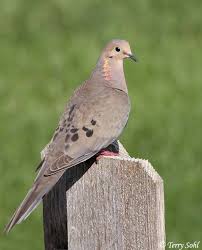
Today, you will be building a birds nest. After watching the 2 short factual videos about the life cycle of a mourning dove (and what their nest looks like) you will be building your own bird nest out of natural material found in your yard. Then you will place outside and see if a bird moves in to raise a family. 

What is the lesson (overall purpose)?  To learn what birds make their nests out of. Where do they build their nests and why?

MA Guidelines/Standards:
Sort, categorize, or classify objects by more than one attribute. Link to K.P.2

Explore and identify space, direction, movement, relative position, and size using body movement and concrete objects. Link to K.G.4


Learning Outcomes: To learn about mourning doves as they live on Cape Cod. 

*Mourning doves generally eat enough to fill their stomach and then fly away to digest while resting. They often swallow gravel or sand to help them digest. At bird feeders, mourning doves are attracted to corn, millet, and sunflower seeds. Mourning doves do not dig or scratch for seeds, but only eat what they can see.

*Mourning doves migrate during the winter months. 

*Mourning doves are part of the pigeon family. 

Songs, Books & Videos (Motivational Techniques)
Mourning Dove Family (part 1): https://youtu.be/eZjO8uisg_k 
Mourning Dove Family (part 2): https://youtu.be/3id52ygqNmI 

Materials:
*Build a nest
using assorted materials
-sticks
-leaves
-grass/straw/hay
-string
-burlap
-natural material (mud, etc.)

Activity (Procedure):
*Build a nest using the materials that you have on hand. Then place the nest outside (somewhere up high and out of the way..but that you can see into to watch quietly). 

Activity Wrap Up:
Was it easy making a birds nest? What type of materials did you use to construct the nest? How did you hold it together? Did you weave the materials?

How do I know what my child is learning? (Assessment)
Talk about the 2 videos about the Mourning Doves that you watched. Take a walk to look for mourning doves. Do you see them in your yard? Can you hear them cooing? Ask questions that you don’t know about when you were little? Who took care of you when you were born? Did you hatch out of an egg? (no). Who fed you first? Mom? Dad? Look at baby pictures. Where did you sleep? The mourning doves had to learn to fly. When did you learn how to walk? Crawl? 

How can you extend this activity? (Modifications)
Weaving activities: Weave paper to make place-mats
Weaving fabric to make rugs and pot holders/coasters (loom). 

Helpful Hints: (Pitfalls & Solutions)
Take a walk to gather materials from nature.

0 Comments

Blue Jays

5/12/2020

0 Comments

 
Picture
Picture
Hi Friends…


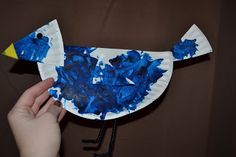
Let's make a blue jay (blue bird). All you need is a small paper plate, crayons, glue or tape, scissors and a pipe cleaner or paper strips. 


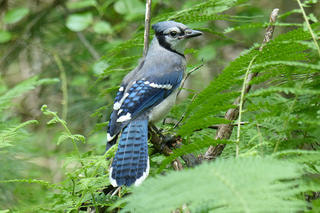
What is the lesson (overall purpose)?  To learn about blue jays and to be able to identify a blue jay. 


MA Guidelines/Standards:
*Listen to a wide variety of age appropriate literature read aloud. Link to Beginning Reading 7.1, 8.3

*Engage actively in read-aloud activities by asking questions, offering ideas, predicting or retelling important parts of a story or informational book. Link to Understanding a Text 8.1, 8.2, 8.3, 8.4, 8.5

*Relate themes and information in books to personal experiences. Link to Theme 11.1

*Use positional language and ordinal numbers (first, second, third) in everyday activities. Link to K.N.3

*Explore and describe a wide variety of concrete objects by their attributes. Link to K.P.1 (shape, color & size).


Learning Outcomes: To be able to identify a blue jay by what they look like &/or the sound that they make. 
Songs, Books & Videos (Motivational Techniques)
Blue Bird (tune): https://youtu.be/Hf3IHK6d3Zc 
Blue Bird Fun Facts: https://youtu.be/NPta-zaYnaQ 
My Baby Blue Jays: https://youtu.be/3bOJsGEy_JI 
Blue Jay call: https://youtu.be/_6P7k4np0Js 


Materials:
1 small paper plate
crayons
scissors
1 pipe cleaner (or paper strips)
glue stick (or tape)

Activity (Procedure): 
Create your own Blue Jay

  1. Fold the paper plate in ½
  2. Using the scissors: cut along the fold 
  3. Color: both pieces blue (using a crayon)
  4. 1- ½ you are going to fold in ½ again. 
  5. Then cut along the folded line. Then with 1 of the ½ pieces you are going to fold in half & cut again (to make 3 triangles in total).
  6. The full semi-circle (half) is going to be the bird's body. 
  7. The 3 triangles are going to be the tail feather, a wing and the head. 
  8. On the head piece you are going to use your crayons to make a beak and eyes. 
  9. Glue all the pieces on. Then add the legs. 

Activity Wrap Up: 
Go outside in your yard (and play the blue jay calls-see link above). See if any blue jays will fly your way. Can you tell if the blue jays that you see are girls or boys (remember the boy ones are slightly larger in size)? Do they have full grown feathers or are they baby birds with fluffy downy feathers? What color blue are they (light or dark)? Use positional words to describe where you see the bird that you are looking at (I see it on top of the branch near the fence. etc.).

How do I know what my child is learning? (Assessment)
Read the book: My Baby Blue Jay (see link above). Talk about the life cycle of the blue jay. (egg to chick). Then talk about why they can’t fly when they are first born. They have wings, so why can’t they fly? When you are born, you have legs, but why can’t you walk (make the comparison). Have a discussion. How do you learn to walk vs. how does a chick learn to fly? Talk with your child about what they know about blue jays (watch the fact video-see link above). Can you recognize a blue jay if you saw or heard one?


How can you extend this activity? (Modifications)

Bluebird, BluebirdCircle GameBluebird, bluebird through my window,
Bluebird, bluebird through my window,
Bluebird, bluebird come through my window,
Oh, Johnny, I am tired.
 
Take a little girl,
and tap her on the shoulders,
Take a little girl,
and tap her on the shoulders,
Take a little girl,
and tap her on the shoulders,
Oh, Johnny, I am tired!
 
Bluebird, bluebird through my window,
Bluebird, bluebird come through my window,
Oh, Johnny, I am tired.
 
Take a little boy,
and tap him on the shoulders,
Take a little boy,
and tap him on the shoulders,
Take a little boy,
and tap him on the shoulders,
Oh, Johnny, I am tired!


Helpful Hints: (Pitfalls & Solutions): If you don’t have blue jays near your house. Take a walk in the woods and see what if you can see any birds. Bring some bird seed with you. 

0 Comments

Cardinals

5/11/2020

0 Comments

 
Hi Friends…

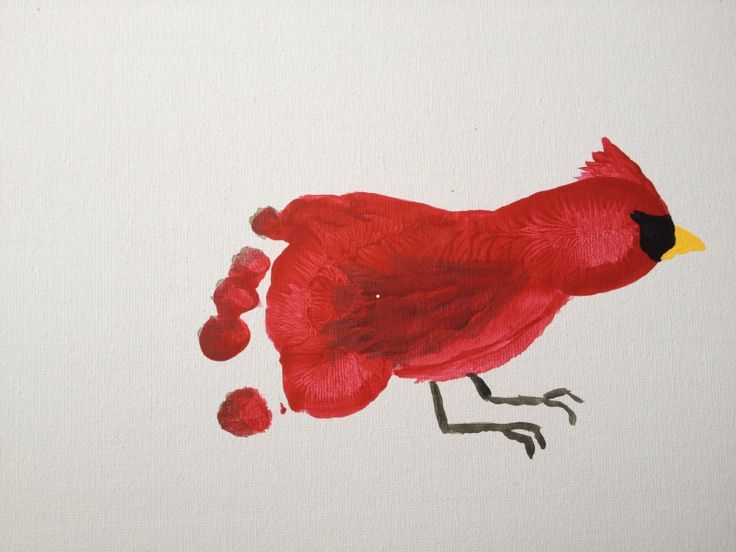
Let’s learn about cardinals! For this project you will just need your foot, red paint (or a red marker/crayon), a soapy face cloth and a dry towel. 

What is our theme? Cardinals


What is the lesson (overall purpose)?  Cardinals are active all year on Cape Cod. They do not migrate to warmer places. 

MA Guidelines/Standards:
*Earth and Space Sciences: Observe and describe or represent scientific phenomena meaningful to children’s lives. (represent a cardinal-art. mimicking bird calls)


Learning Outcomes: To learn to spot a cardinal in your yard or on a walk in the woods. 

Cardinal Info: 
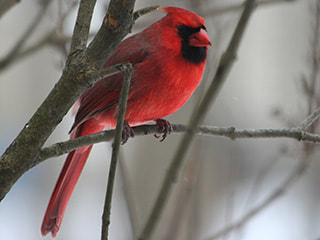
Male Cardinal: red feathers, pointed crest and a black mask around it’s eyes. 

Female Cardinal: she is pale tan color with a few rosy accent feathers on her chest, wing and tail. Both the male & female have a bright orange bill. 

Cardinals are year round residents in Massachusetts/Cape Cod. 

They use their bright color orange beaks to crack open seeds and to slice sugary fruit. This helps them be able to survive the coldest winter months of the year. 

Rather than walking, cardinals hop, whether on the ground or from branch to branch, and they eat a mixture of insects, plant buds, seeds, and fruits. Fruit and seeds predominate during fall and winter.


Songs, Books & Videos (Motivational Techniques)
Cardinal Bird Sounds/calls: https://youtu.be/1E91raf-H5c

Fun Facts about cardinals:
https://youtu.be/mevWgPIIVhc

A pair of cardinals & nest: https://youtu.be/YlYJ5i07rJo


Materials:
red paint & Paint brush 
paper
soapy wet face cloth & dry towel 
Markers/crayons
feathers (optional)


Activity (Procedure):
*Watch one or all the video’s (see links) to learn about cardinals. Have you ever seen a cardinal before? Listened to one chirp/tweet?

*Paint the bottom of your foot red and then step onto your piece of paper. 

*Wash your foot with a soapy wet cloth and then dry your foot. 

*When your picture is dry you can create your red footprint into a cardinal. Add a beak, tail and head feathers, legs, feet, etc.).


Activity Wrap Up: Do you know how to whistle? Learn to make the same sound that the cardinal makes. Sometimes birds will call back. 

How do I know what my child is learning? (Assessment): Review what you learned about cardinals. What facts do you remember about them from the video’s. 

How can you extend this activity? (Modifications)
Go outside and see if you can see any cardinals. If you have a portable speaker, you can play the cardinal call and see if cardinals come. Can you make the same sound a cardinal does? 
Do you have a bird feeder? Add seeds that cardinals can eat. Or put out a plate/bowl with seeds in it. Don’t forget to put it on a flat level surface for them. 


Helpful Hints: (Pitfalls & Solutions)
If you don’t have red paint, you can trace your foot with a pencil and then color it in using a red marker or red crayons (or colored pencil). 

​
0 Comments

Caterpillar Update: Butterfly's

5/10/2020

0 Comments

 
0 Comments

Lego Robot

5/8/2020

0 Comments

 
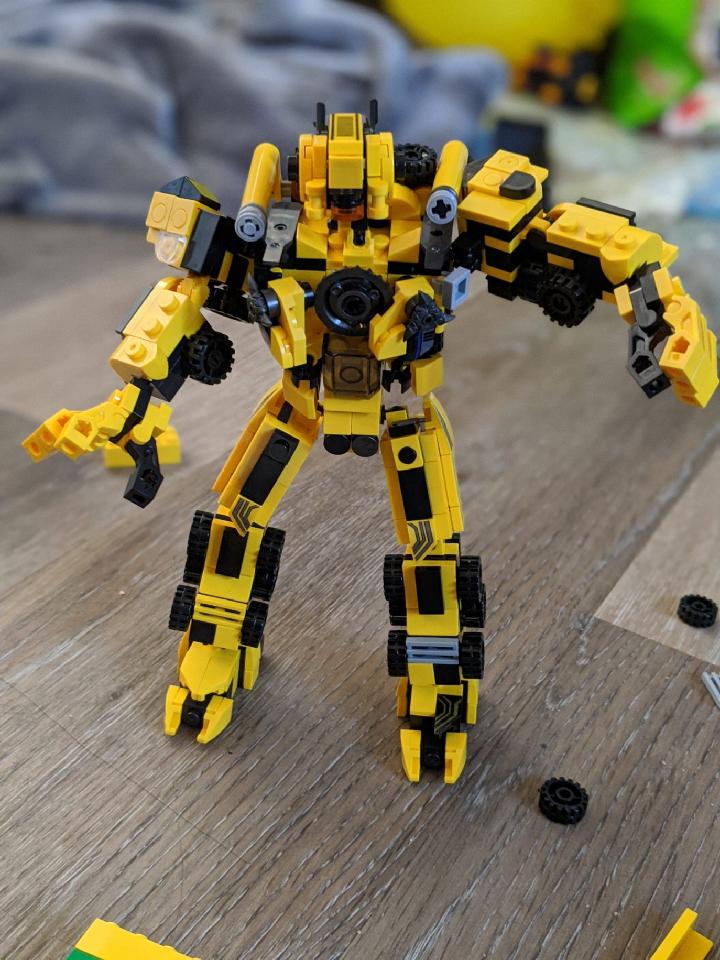
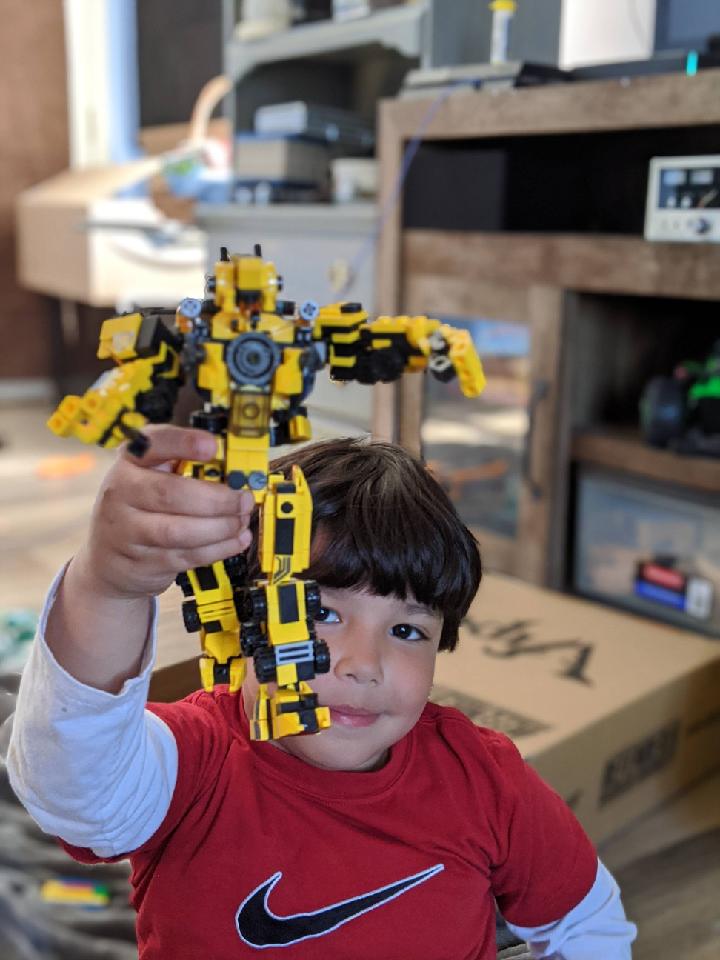
"Look what I made! Lego Robot."
0 Comments

Bird Beak Buffet

5/8/2020

0 Comments

 
Hi Families…

In this lesson, your child will learn about bird beaks and how they come in many different sizes and shapes. But, that their beaks have a purpose that is why they are shaped the way they are.

For this activity you will need various sizes and shapes of cooked pasta and some seeds (and some oil). Plus you will need different utensils (spoons, forks, chopsticks, fingers, etc.). 


What is the lesson (overall purpose)?  Children will learn about special functions of bird beaks. 


MA Guidelines/Standards:
Inquiry skills: use simple tools to explore and experiment with. 

Language: Communicating personal experiences


Learning Outcomes: My hopes are that children will be interested in the birds in their backyard, neighborhood and on Cape Cod. 

Birds all have some kind of beak for grasping and eating their food. The size and shape of a birds beak enables it to eat certain kinds of food. Seeds and nut eaters, such as sparrows and finches, usually have short, thick beaks for cracking open seeds. Nectar feeders, such as hummingbirds, have long, slender beaks for reaching into flowers. Flesh eaters like hawks and owls, have powerful hooked beaks for tearing and cutting flesh and skin. Other birds may have beaks suited for filtering, spooning, chiseling or pinching. 
A birds beak is an example of an adaptation, a special feature or behavior that helps an animal survive in its environment. 


Songs, Books & Videos (Motivational Techniques)
Bird feeding adaptations: https://youtu.be/lFZ8NMBDCJw 

Peaceful relaxing instrumental music (with birds)
https://youtu.be/kA8cOG2cRzE

Materials:
-a set of eating utensils for each child/person participating in the activity (spoon, fork, chopsticks or 2 craft sticks, 2 toothpicks).
-various shapes of cooked pasta (shells, spaghetti, macaroni etc).
-vegetable oil
-sunflower or pumpkin seeds
-serving utensils
-small plate
-colander

Activity (Procedure):
-cook the pastas together in 1 pot
-drain and rinse the pasta using a colander.
*pasta may also be served chilled
-sprinkle the pasta with seeds before serving on a small plate.

Ask your child or people participating in the activity to use the utensils to eat each piece of pasta and seeds. Encourage them to try to use all the different utensils. Avoid picking up any food with your hands. 

 Activity Wrap Up: 

Ask your child about each utensil that they used (What did you eat with the spoon? fork? chopsticks? toothpicks? etc.). Why did that utensil work well with those foods? 

We eat with utensils, and certain utensils work best with certain foods. Do birds use utensils to eat? How do birds eat? 

Which bird's beaks are best for each of the bird foods we tried? 

How do I know what my child is learning? (Assessment)
How can looking at a birds beak help us guess what it eats? 

How can you extend this activity? (Modifications)
Take a walk outside to look for birds. Walk quietly and listen for bird songs and calls. When you see a bird, watch it closely. Can you see it eating? Look carefully at its beak. What might this bird eat? 

*Go to Beech Forest Trail in Provincetown. Bring bird seed with you. If you shake your birdseed while walking down the trail, then place some birdseed in the palm of your hand..birds will come and eat out of your hands. It is approximately a mile trail. 

Helpful Hints: (Pitfalls & Solutions)
If you don’t have any birds in your yard. You can visit a pond, lake or the ocean to find birds. 

0 Comments
<<Previous
Forward>>

    Author

    Ms. Nancy - Pre-Kindergarten Teacher 

    Archives

    June 2020
    May 2020
    April 2020
    March 2020

    Categories

    All

    RSS Feed

Powered by Create your own unique website with customizable templates.