WELCOME THE LAUREL SCHOOL TODDLER, PRESCHOOL & PRE-KINDERGARTEN VIRTUAL CLASSROOMS
  • Welcome
  • Toddler
    • Ms. Naomi & Ms. Haley
    • Ms. Margo & Ms. Tonia
  • Preschool
    • Ms. Rachel
    • Ms. Julia
    • Ms. Taisha
    • Ms. Amanda
    • You Tube Stories & Songs
  • Pre-Kindergarten
    • Ms. Lynn
    • Ms. Nancy
  • Ms. Sunny's Corner
  • Student & Family Shares!
  • Contact

Ms. Nancy 
Pre-kindergarten

Here are some resources for families to access at home!

Bird Beak Buffet

5/8/2020

0 Comments

 
Hi Families…

In this lesson, your child will learn about bird beaks and how they come in many different sizes and shapes. But, that their beaks have a purpose that is why they are shaped the way they are.

For this activity you will need various sizes and shapes of cooked pasta and some seeds (and some oil). Plus you will need different utensils (spoons, forks, chopsticks, fingers, etc.). 


What is the lesson (overall purpose)?  Children will learn about special functions of bird beaks. 


MA Guidelines/Standards:
Inquiry skills: use simple tools to explore and experiment with. 

Language: Communicating personal experiences


Learning Outcomes: My hopes are that children will be interested in the birds in their backyard, neighborhood and on Cape Cod. 

Birds all have some kind of beak for grasping and eating their food. The size and shape of a birds beak enables it to eat certain kinds of food. Seeds and nut eaters, such as sparrows and finches, usually have short, thick beaks for cracking open seeds. Nectar feeders, such as hummingbirds, have long, slender beaks for reaching into flowers. Flesh eaters like hawks and owls, have powerful hooked beaks for tearing and cutting flesh and skin. Other birds may have beaks suited for filtering, spooning, chiseling or pinching. 
A birds beak is an example of an adaptation, a special feature or behavior that helps an animal survive in its environment. 


Songs, Books & Videos (Motivational Techniques)
Bird feeding adaptations: https://youtu.be/lFZ8NMBDCJw 

Peaceful relaxing instrumental music (with birds)
https://youtu.be/kA8cOG2cRzE

Materials:
-a set of eating utensils for each child/person participating in the activity (spoon, fork, chopsticks or 2 craft sticks, 2 toothpicks).
-various shapes of cooked pasta (shells, spaghetti, macaroni etc).
-vegetable oil
-sunflower or pumpkin seeds
-serving utensils
-small plate
-colander

Activity (Procedure):
-cook the pastas together in 1 pot
-drain and rinse the pasta using a colander.
*pasta may also be served chilled
-sprinkle the pasta with seeds before serving on a small plate.

Ask your child or people participating in the activity to use the utensils to eat each piece of pasta and seeds. Encourage them to try to use all the different utensils. Avoid picking up any food with your hands. 

 Activity Wrap Up: 

Ask your child about each utensil that they used (What did you eat with the spoon? fork? chopsticks? toothpicks? etc.). Why did that utensil work well with those foods? 

We eat with utensils, and certain utensils work best with certain foods. Do birds use utensils to eat? How do birds eat? 

Which bird's beaks are best for each of the bird foods we tried? 

How do I know what my child is learning? (Assessment)
How can looking at a birds beak help us guess what it eats? 

How can you extend this activity? (Modifications)
Take a walk outside to look for birds. Walk quietly and listen for bird songs and calls. When you see a bird, watch it closely. Can you see it eating? Look carefully at its beak. What might this bird eat? 

*Go to Beech Forest Trail in Provincetown. Bring bird seed with you. If you shake your birdseed while walking down the trail, then place some birdseed in the palm of your hand..birds will come and eat out of your hands. It is approximately a mile trail. 

Helpful Hints: (Pitfalls & Solutions)
If you don’t have any birds in your yard. You can visit a pond, lake or the ocean to find birds. 
0 Comments

Birdseed brings all the birds to the yard...

5/7/2020

0 Comments


Hi Families…
What birds visit your yard? With this project, your child will create a tally using a piece of paper (and writing tool). They can either sit in the yard or watch through a window. When they see a specific type of bird (one that lives on Cape Cod) they will place a mark on their paper, in the correct column. 
Also, they can make a simple bird feeder using (yarn, a pine cone, birdseed, nut/seed butter/berries.). 

What is the lesson (overall purpose)? 
To learn about the different birds that visit our backyard. 


MA Guidelines/Standards:
Language & listening: Oral Presentation: Communication of personal experiences.
Science: comparing and contrasting animals

Math: using concrete objects to solve simple addition problems, tally, counting

Learning Outcomes: Name a few of the birds that you see in your backyard.

Songs, Books & Videos (Motivational Techniques)
All About Birds for Children https://youtu.be/jF0Id-hH9y4

Materials: Paper (clipboard) writing tool binoculars (optional) PINE CONES  sunflower seeds butter or peanut butter bird seed yarn small bowl spoon or knife berries (optional)

Activity (Procedure): -Look at pictures of different birds that live on Cape Cod. (blue jays, cardinals, robins, mourning doves, black cap chickadee, etc.).    -Hang a piece of paper on the inside of your window. Look out the window (or sit in your yard with your piece of paper). -On your paper make a few different columns. At the top of each column write the name of a bird that you often see in your yard.  -Each time you see a bird, make a tally mark in the same column as that bird.   -which bird did you see the most? 
Activity Wrap Up:  What type of bird did you see the most of? What bird did you not see that you would like to see in your yard? 
Once you hang up the BIRD-FEEDER, revisit this project: watch to see which birds come to snack at your feeder. 
Some things to think about as you continue your research: do all birds eat the same thing? Hummingbirds? Seagulls? Owls? Chickens? Turkey’s? 

How do I know what my child is learning? (Assessment) Rhyming Riddles: Can you name the bird? 
I am bright, I am red, I have a crest upon my head. If you can guess me, Hurry up and try. Before I fly into the sky! (Cardinal) I am big, I am grand, I’m the bird of our great land. If you can guess me, Hurry up and try. Before I fly into the sky! (Bald Eagle)

I am big, I am blue, I love oaks and acorns too. If you can guess me, Hurry up and try. Before I fly into the sky! (Blue Jay)

I am tiny, I am fast, Not many people see me pass. If you can guess me, Hurry up and try. Before I fly into the sky!(Hummingbird)

I am old, I am wise, I like to hunt before sunrise. If you can guess me, Hurry up and try. Before I fly into the sky! (Owl)

I eat bugs, I eat bees, I live in holes and peck on trees. If you can guess me, Hurry up and try. Before I fly into the sky! (Woodpecker)

I am brown, with a red breast, I come first in spring to nest. If you can guess me, Hurry up and try. Before I fly into the sky! (Robin)
 

How can you extend this activity? (Modifications) Make a bird feeder: (pine cone, nut or seed butter, birdseed, yarn or string)
Tie a string/yarn around one end of the pine cone.  using a spoon, spread the nut/seed butter all over the PINE CONE (it is helpful to hold the string). Then place the seed into a bowl.  Roll your PINE CONE around in the bird seed. (optional berries) Hang outside on a branch, that you can see from inside the house.  Then watch your “feeder”. Who comes to eat from it? (birds, squirrels, etc.). 

Helpful Hints: (Pitfalls & Solutions) If you don’t have PINE CONES in your yard, can you go on a nature walk to look for some? 
Interested in finding out more about the birds in your yard: Audubon.org    

0 Comments

Ms. Alex's Art Lesson: Hummingbirds

5/7/2020

0 Comments

 
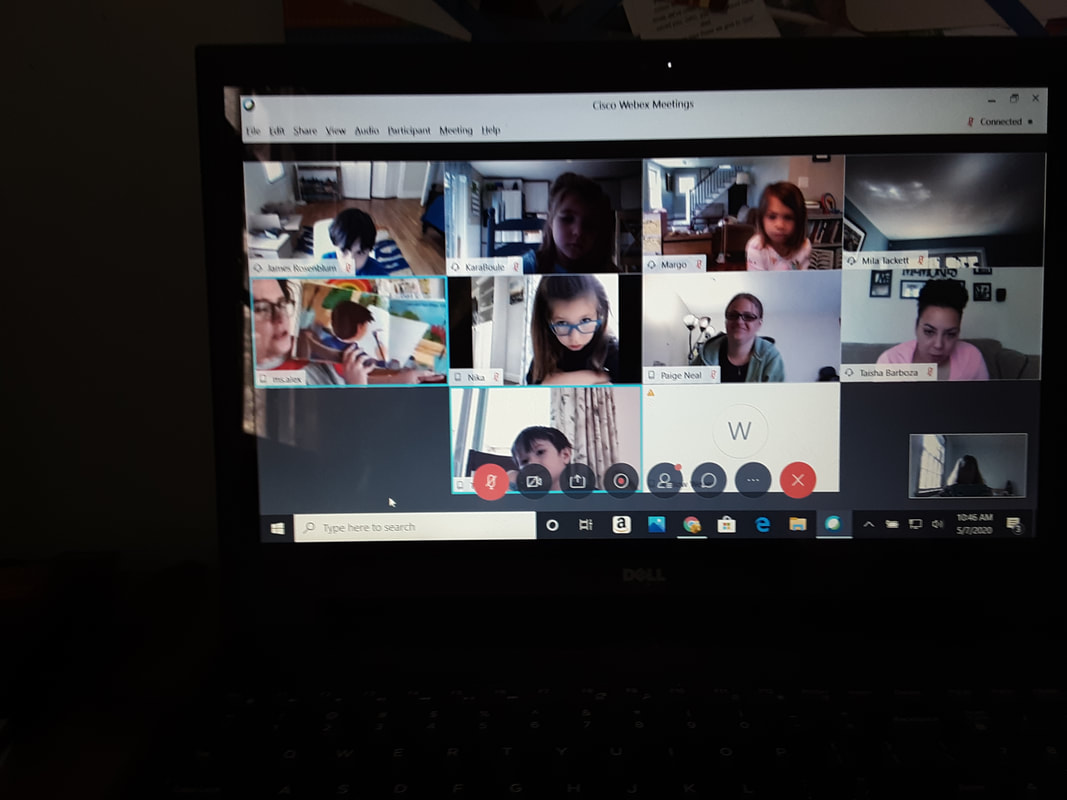
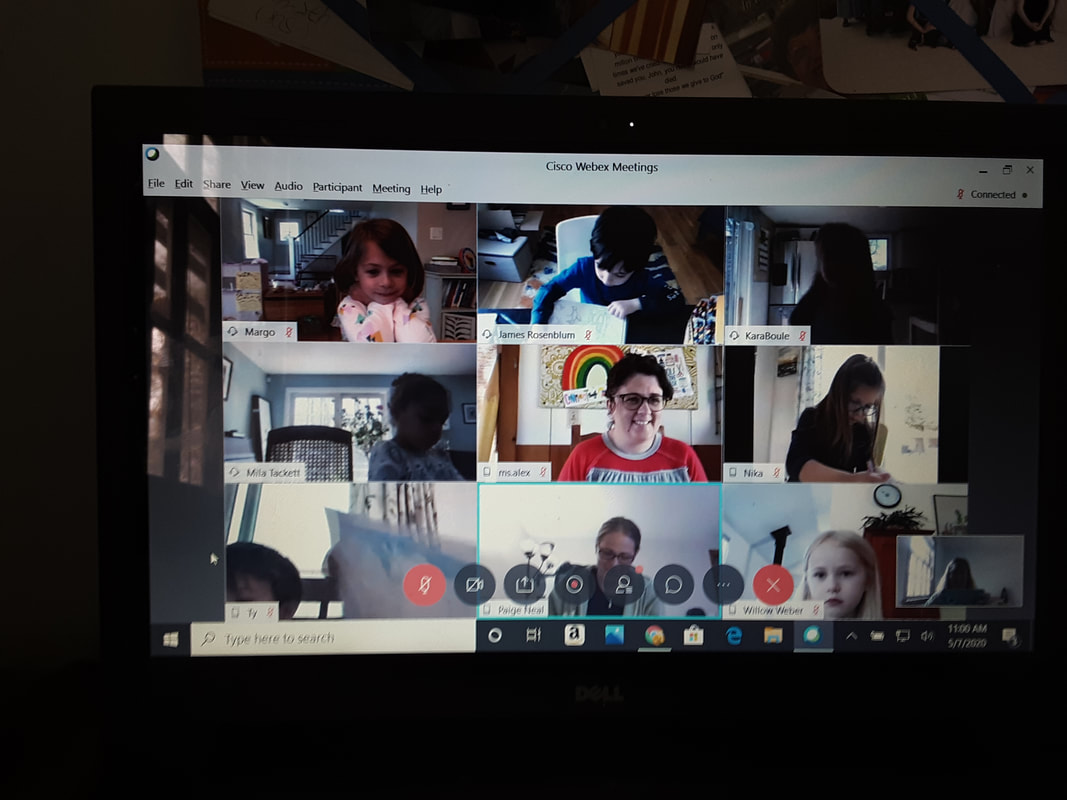
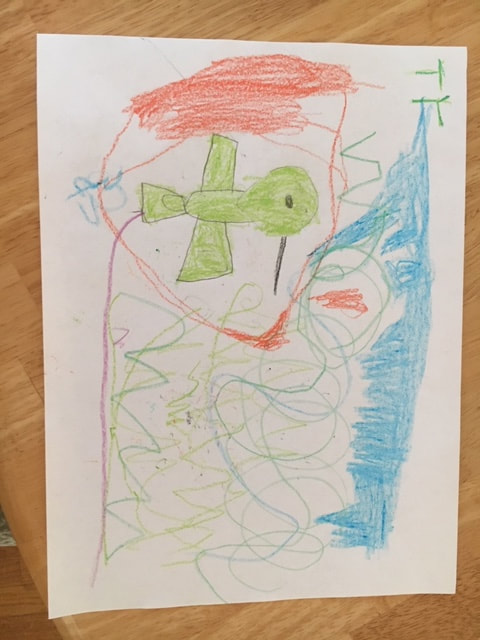
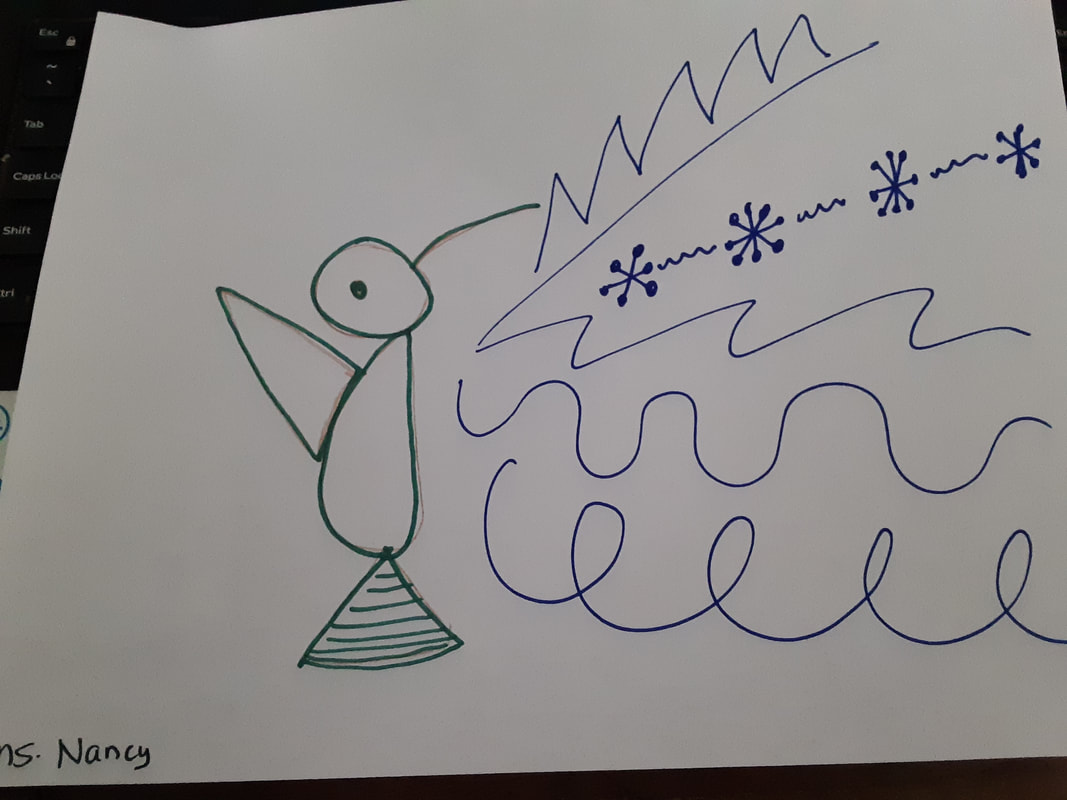
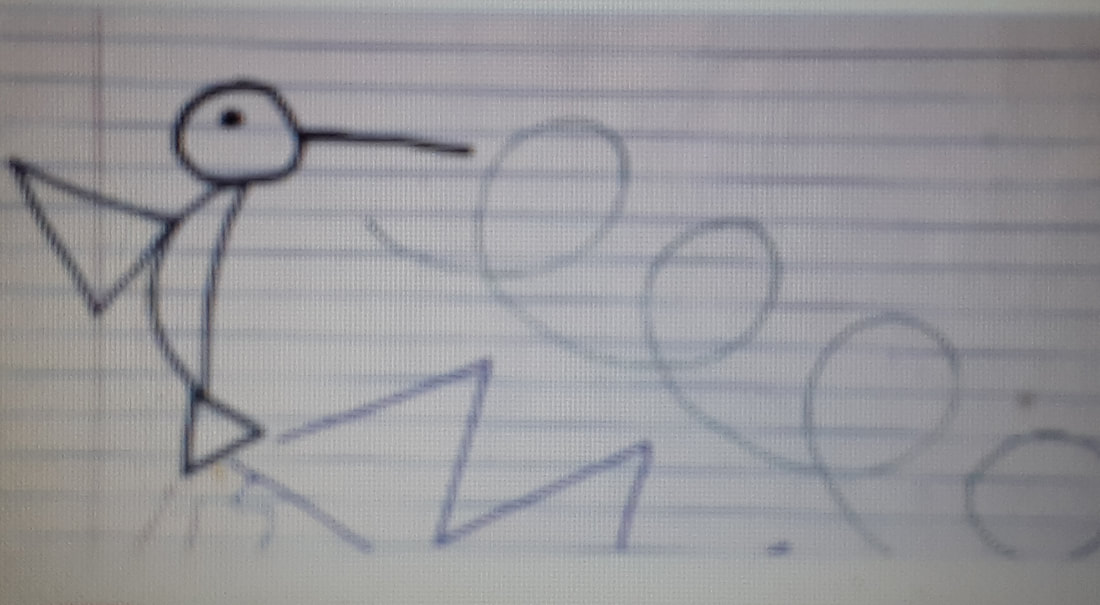
Ms. Alex read a book with the children and then the children drew their own hummingbirds. They created different types of lines that their hummingbird flew in. 
Thank you Ty and Ms. Paige for your hummingbirds! They are beautiful! : ) 
0 Comments

Chicken's: What came first the Chicken or the Egg?

5/6/2020

0 Comments

 
Picture
Hi Families…
Some of the children in Pre-K have chickens at their
homes for pets. One child said that they are “working
chickens”. “We feed them and then they give us eggs.”
Another child said that their chicken doesn’t lay eggs
(we found out later that it was a rooster).


For this activity you will need an egg (real or chocolate Cadbury Egg). Do you have a ruler and a food scale? Or do you have any leftover plastic eggs (approx 21 eggs)? 

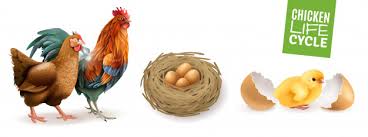
What is the lesson (overall purpose)? Which came first, the chicken or the egg? (just kidding). We will be learning which chicken lays the egg (the rooster or the hen). How long does it take for the chick to hatch (typically 21 days). As well as other fun facts about chickens. 


MA Guidelines/Standards:
*Characteristics of Living Things: 2.3: Observe and describe animals as they go through life cycle. (chicks). 

*Inquiry Skills: Make predictions about changes to materials based on past experiences (egg).
-Identify and use simple tools appropriately to extend observations (rulers/scales)
-Record observations and share ideas through simple forms of representation (drawings). 

*Measurement: Use nonstandard units to measure length, weight and amounts of contents in familiar objects (hands to weigh eggs: which one is heavier).  

*Patterns & Relations: Sorting. Extending. 

*Number Sense: Counting, sequencing. 

Learning Outcomes: 
*Your child will understand the life cycle of the chicken.
* They will be able to name or recognize the different parts of an egg (shell, yoke, white).
*They will be able to name 2 other animals that hatch from eggs. 
* Using colored plastic eggs (create an ABAB pattern)
*Sequence the numbers from 0-20.
*Identify the names of chickens (female-hen, male-rooster and baby-chick). 
*Be able to write the word “egg” 
*Identify 2 other words that begin with Ee (sounds).


Songs, Books & Videos (Motivational Techniques)
Book: The Egghttps://youtu.be/mKIYTWpLOE8

Book: Green Eggs and Ham https://youtu.be/jdotPwVJYzs 

Book: Chicken Aren’t the Only Ones https://youtu.be/iXmySkYDXho


Nursery Rhyme: Humpty Dumpty

Humpty Dumpty sat on a wall.
Humpty Dumpty had a great fall.
All the king's horses,
and all the king's men, 
Couldn’t put Humpty together again. 

Why couldn’t Humpty be put back together? 
(Because he was an egg)


Materials:
Eggs
ruler (for measuring the eggs)
Food scale (for weighing the eggs)
Paper
Marker/crayons

Activity (Procedure):
  1. KWL: What does your child already know about chickens? What do they want to learn? (and then follow up at the end with what they learned about chickens.)
  2. Read the book: The Egg. Talk about the life cycle of the chicken. Remind your child that it takes 21 days for the egg to hatch. Also talk about the fact that the egg has to be warm (why hen sits on it with her warm feathers) or it is in an incubator set at 97 degrees. 
  3. Explore the Egg: Talk about different colors of eggs (brown/white). Which ones do you prefer? Talk about the size? Can you weigh them on a food scale? Do all eggs weigh the same? Do brown/white eggs weigh the same? Does a room temperature egg and an egg that was in the refrigerator weigh the same? Do eggs sink/float?
  4. Nursery Rhyme: Humpty Dumpty 
*What words rhyme?  
*Review the parts of an egg (shell membrane, albumen (white) and the yolk. 
*Recite Humpty Dumpty: While using an egg. Have the egg fall into a bowl or tray. Have your child draw a picture of what they see. Then help them write the word “egg” under their picture. 

Activity Wrap Up:
Have your child use stuffed animals to act out Humpty Dumpty rhyme. They can also act it out themselves. 


How do I know what my child is learning? (Assessment)

Do you have eggs at home? What kind of eggs do you have? Are they white? brown? Chicken eggs? another kind of eggs? 
Ask the famous question: What came first the chicken or the egg? 
How can you extend this activity? (Modifications)
Have you read the book, Green Eggs and Ham? Talk about foods that you like and you don’t like. Look through a cookbook and find a new recipe to try using eggs. 

Colorful Plastic Eggs: 21 plastic eggs. Write the numbers 0-20 on them (1 number on each egg). Hide the eggs around the house. Have your child find them and put them in a bag or a basket. After all the eggs have been found, sort them by color (or size if the eggs are different sizes). Then have your child sequencing them from 0-20. Can they make a pattern with the eggs? Which color has the “most” & “least” amount of eggs?

Helpful Hints: (Pitfalls & Solutions)
If you don’t have a real egg, you can always use a Cadbury cream egg for the activity. : ) 

0 Comments

Shape Turkey

5/5/2020

0 Comments

 
Picture
Hi Families…

A few of the children have been talking about the wild turkeys that they have been seeing on Cape Cod, either by their house or in the woods while walking. 

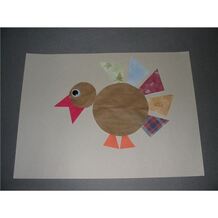
To make a “Shape Turkey” all you need is a brown paper bag and some different types of scrap paper (ie. wrapping paper, old junk mail, newspaper, etc.). 


What is the lesson (overall purpose)?  That children can identify the differences between a “Tom”, “hen” and a “poult”. 
  • tom - a male turkey
  • hen - a female turkey
  • poult - a baby turkey
Wild turkeys live in woods in parts of North America and are the largest game birds found in this part of the world.  They spend their days foraging for food like acorns, seeds, small insects and wild berries.  They spend their nights in low branches of trees (yes, wild turkeys can fly!)
Have you ever wondered what Turkey (the country in the Middle East) and the American bird have in common?  A case of mistaken identity resulted in the American Turkey being named after the country.  When the Spanish first found the bird in the Americas more than 400 years ago they brought it back to Europe.  The English mistakenly thought it was a bird they called a "turkey" so they gave it the same name.  This other bird was actually from Africa, but came to England by way of Turkey (lots of shipping went through Turkey at the time).  The name stuck even when they realized the birds weren't the same.
Turkey TermsCaruncle - brightly colored growths on the throat region.  Turns bright red when the turkey is upset or during courtship.
Gizzard - a part of a bird's stomach that contains tiny stones.  It helps them grind up food for digestion.
Hen - a female turkey.
Poult - a baby turkey.  A chick.
Snood - the flap of skin that hangs over the turkey's beak.  Turns bright red when the turkey is upset or during courtship.
Tom - a male turkey.  Also known as a gobbler.
Wattle - the flap of skin under the turkey's chin.  Turns bright red when the turkey is upset or during courtship.
MA Guidelines/Standards:
*Living things and their environment:2.7: birds in your neighborhood
*Living Things and their environment: 2.8: Observe and describe how neutral habitats provide for the basic needs of animals (shelter, food, water, air, light). 


Learning Outcomes: to learn about the turkeys on Cape Cod. 


Songs, Books & Videos (Motivational Techniques)
Turkey hen calls to poults: https://youtu.be/Q-QEhio8AgI 

Turkey Facts: https://youtu.be/SnIU1iJgmVE 

Turkey Songs: https://youtu.be/jwBNuxbpIJ8 

Turkey Pokey https://youtu.be/VxfajHBG9Rg 


Materials:
-Scrap paper
-marker
-glue stick
-brown paper bag
-pair of scissors
-a piece of paper (to glue your turkey onto if you would like).

Activity (Procedure):
To create your shape turkey: 
-either trace shapes or cut shapes out of your scrap paper (triangle, square, circle, etc.). 
-Then you can either cut out a large circle for its body or trace the bottom of your shoe. 

Activity Wrap Up: Have you seen any turkeys in your neighborhood? Where were they when you saw them? What time of day was it? Which turkey do you like the best? Tom/Gobbler? Hen? or Poult/chick? Why or why not? 


How do I know what my child is learning? (Assessment) talk about turkeys. See what they remember. Dance the Turkey Pokey to review the body parts of a turkey. 


How can you extend this activity? (Modifications)
Game: Poult, Hen, Tom! (Duck, Duck, Goose)
Sit in a circle (3 or more people work the best). Walk around tapping each person on the head saying Poult or Hen. But when you say Tom...the other person must chase you walking like a turkey saying Gobble Gobble Gobble. If the player who was tagged catches the tapper, the tapper will land in the oven (middle of the circle)


Helpful Hints: (Pitfalls & Solutions)
If you don’t have paper, you can use objects from nature (acorns, sticks, twigs, leaves, etc.). 

​
0 Comments

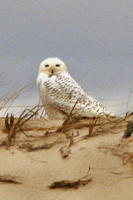
owls

5/4/2020

0 Comments

 
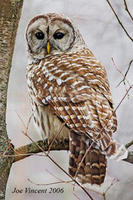
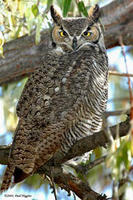
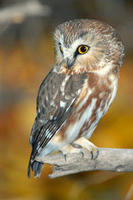
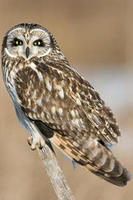
Hi Families...Did you know that the owl is the mascot of the Laurel School? 

Today’s project is: I would like your child to create an owl. It can be made out of anything and whatever type of owl you would like to make. 

I would love to see your creations. Please send me a picture!  If you would like me to put it on the “virtual classroom” so that your friends can also see, just let me know. : ) 

Monthly Theme:Animals in our Neighborhood


What is the lesson (overall purpose)?  I would like the children to learn about owls, as they live on Cape Cod. 


MA Guidelines/Standards:
*Visual Arts/Elements and Principles of Design: 2.3 & 2.4:  Experiment with the use of texture in artwork. Use basic shapes and forms of different sizes to create artwork. 

*Observation, Abstraction, Invention and Expression: 3.2: Creating a drawing or sculpture. 

Learning Outcomes: That your child will be able to tell you 3 facts about owls. 
  1. Where do they live (habitat)?
  2. Owls are birds & they hatch from eggs.


  3. What do owls eat? Some owls eats mice, frogs, bats, fish and snakes
  4. Eyesight & Hearing: Owls can only see straight ahead. They don’t have peripheral vision like we do. But, they can turn their heads almost all the way around to see things behind them. Owls are great listeners, that is how they catch their food.
  5. Most owls are nocturnal and hunt at night although the barn owl and pygmy will occasionally hunt during the day
  6. One of the smallest owls is the pygmy measuring only 6 inches in length.
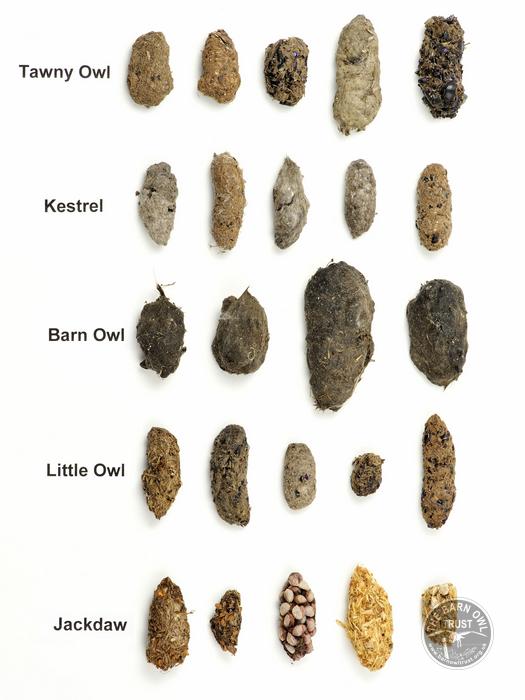
  7. What are owl pellets? Owls are birds of prey. ... After an owl eats the small rodents, birds, and bugs that are a part of its nightly diet, its stomach cannot digest the fur, bones, teeth, feathers, and insect shells from that food. These “extra” parts are formed into a tight PELLET inside the owl and are then are later SPIT UP by the owl.

  8. Helpful Hints: (Pitfalls & Solutions)
    Owl feathers and pellets are sold online if you would like to explore more and you haven’t found any outside. Also, if you don’t live near the woods, you can always learn to identify owls by their calls at 
    Audubon: Learn to Identify 5 Owls By Their Call. 


    Songs, Books & Videos (Motivational Techniques)
    Book: Owl Babies https://youtu.be/TPQRiSTYFHo

    Little Owls
    3 little owls sat in a tree, screeching won’t you please come play with me?
    1 little owl flew to the tree, now how many owls do you see?
    Materials:
    -Assorted materials

    OWLpictures.com https://www.owl-pictures.com/

    All about owls: Backyard Birds https://youtu.be/m0XgSrdYQRY 


    Activity (Procedure):
    *KWL Chart/Discussions: What do you already know about owls? What do you want to learn about owls? (follow-up afterwards) What did you learn about owls? 
    *Book: (Watch or read if you have it at home): Owl Babies. Talk with your child about the book. Did you like the book? Why or why not? Have you ever missed someone or something? How did that make you feel?
    *Look at different pictures of owls. Different types of owls look different. Which one is your favorite. 
    *Now comes the fun part, create your own owl. You can use whatever materials that you have on hand. You can use rocks, sticks, art materials, different shapes, colors, fabrics, seeds, etc. 

     
    Activity Wrap Up: 
    Owl Listening Game: 
    *The owl listens to find its food. Your child will pretend to be an owl. He/she will sit on the floor. A parent or older sibling will blindfold the “owl” and then either the sibling or a parent/guardian will be a bat, mouse, snake or frog. The person who is not the owl (but rather food for the owl) will sneak up behind the owl, beside or stand over the owl and make the appropriate sound that animal would make. The owl must locate the animal by pointing in the direction the sound is coming from. The owl must name the animal making the sound. 

    Owl Eyes:
    *Using 1 toilet paper roll (empty): cut it in half to create 2 small circles. 
    *Glue the 2 halves together to create binoculars. (You also can use a stapler or tape to fasten them). 
    *Then put them up to your eyes. 
    -Looking straight ahead is all that you can see if you were an owl. That is why owls need to turn their heads a lot. So that they can see all around them. 
    -Can you see the chair on the left side of you? 
    -Can you see the table on the right side of you? 
    -What can you see looking straight ahead?

    How do I know what my child is learning? (Assessment) Talk about owls. If you could, would you like to be an owl? Why or why not? Do you think owls have an easy time seeing at night? 


    How can you extend this activity? (Modifications)
    Take a walk in the woods. Look for owl feathers. They are shaped differently than other bird feathers, so that they can fly quietly through the night. Can you find any owl pellets? Can you hear owls at night? 

    Owl Memory Game:
    Ask your family members which owl is their favorite. Then print out 2 copies of each owl. Cut to size. Lay all the pictures face down and then have fun flipping over until you get a match. Can you name the owl pair? Can you tell each other a fact that you learned about that type of owl? 

0 Comments

Earth Engineers Of The Future: Be a world changer!

5/1/2020

0 Comments

 
Date: Friday May 1st, 2020

Earth Engineers Of The Future: Be a world changer!

Hi Families…

Today’s project is learning about different types of windstorms (ie hurricane/tornado). It is also learning about different types of alternative energy. 

During the school year...your child’s classroom did a lot with reducing, reusing and recycling. 

*For this project, I want them to reuse items (that would typically end up in the trash or recycle bin). They can create anything that they want to help serve a purpose that will be kind to the earth. 

What is our theme? Weather/Wind

What is the lesson (overall purpose)?  Learning about alternative energy and wind storms (tornadoes, hurricanes, etc.)


MA Guidelines/Standards:
Design 2.1: Explore and identify simple machines such as ramps, gears, wheels, pulleys, and levers through play experiences.

Learning Outcomes: I am hoping that your child will create a unique invention to help mother earth. What will the gadget be used for and what materials from the recycle bin or trash will they use? 


Songs, Books & Videos (Motivational Techniques)
Pure Imagination (Kenny Loggins) https://youtu.be/aaMQdzkuM5M 

Learn about Windfarms https://youtu.be/U5_cZ3IRUkU

What are Hurricanes? https://youtu.be/J2__Bk4dVS0 

What is a Tornado? https://youtu.be/EpuDYZ_g0yg 

How to build a wind farm https://youtu.be/e2B3UL435mw 

What is solar energy? https://youtu.be/inPtRWtvDaM 

Materials

Anything that is in the trash/recycle bin that you no longer need. 

Fasteners: tape, string, rope, glue, nails, chewing gum, yarn, etc. 

Activity/Procedure:
With anything that looks interesting to you, from the trash and recycle bin. Create a gadget that will help mother earth. 

Activity Wrap Up:
What did you create? Was it easy? Were there any challenges? Do you have a name for it? How will it help Mother Earth? 

How do I know what my child is learning? (Assessment)
Talk with your child about alternative energy. Do you think it is good for Cape Cod or not so good? Why or why not? Take a walk or drive in your neighborhood, are there any solar panels on people's homes/place of business? Do you see any wind turbines? 

Talk about hurricanes/tornadoes. Are they scary to you? Why or why not? What can you do as a family to prepare for them? Where would you go if there was a tornado or a hurricane (both happen on Cape Cod)? Be ready, be prepared in case of an emergency. 

How can you extend this activity? (Modifications)
*In the video above. It talked about a wind turbine being 55 elephants tall. Can you measure yourself with household materials to see how tall you are? You can use whatever is in your home (books, plastic cups, blocks, elephants, cans of food, siblings, etc.). Be creative. Then measure the rest of the people and pets in your home. Who is the tallest/shortest? 

*Can you create a video or book: explaining your gadget that you created. What will you call it, How does it work? What materials did you need? How much would you sell it for? 

Helpful Hints: (Pitfalls & Solutions)
If you don’t have a recycle bin. You can create one. You can use a cardboard box or plastic tote. What are some items at your house that could go in a recycle bin? (paper, glass, plastic, etc.). Create a family challenge, see how many of these items you can reuse. 


​
0 Comments

caterpillar watch!

4/30/2020

0 Comments

 
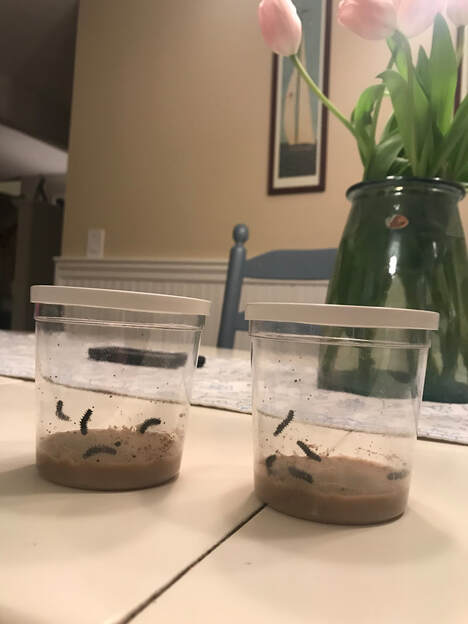
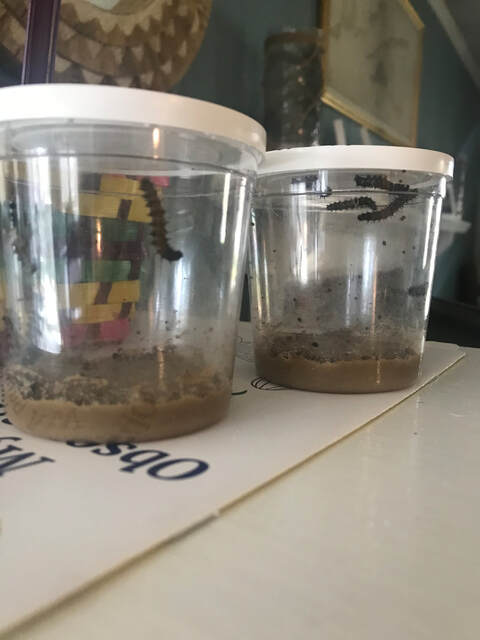
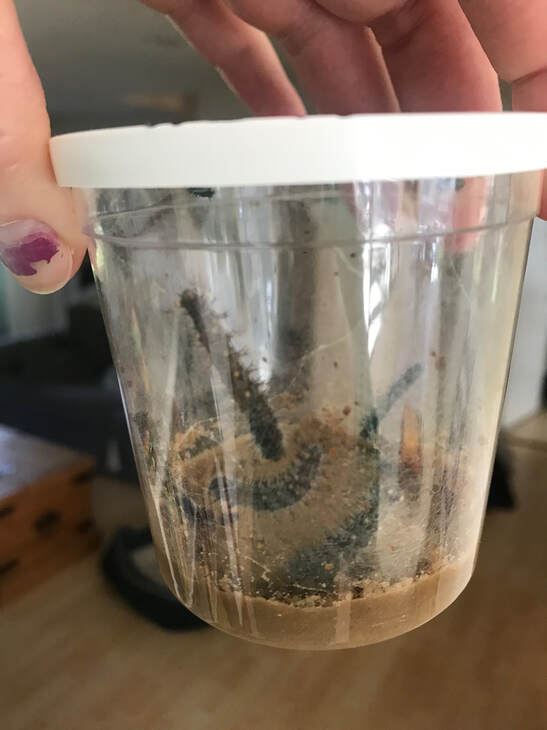
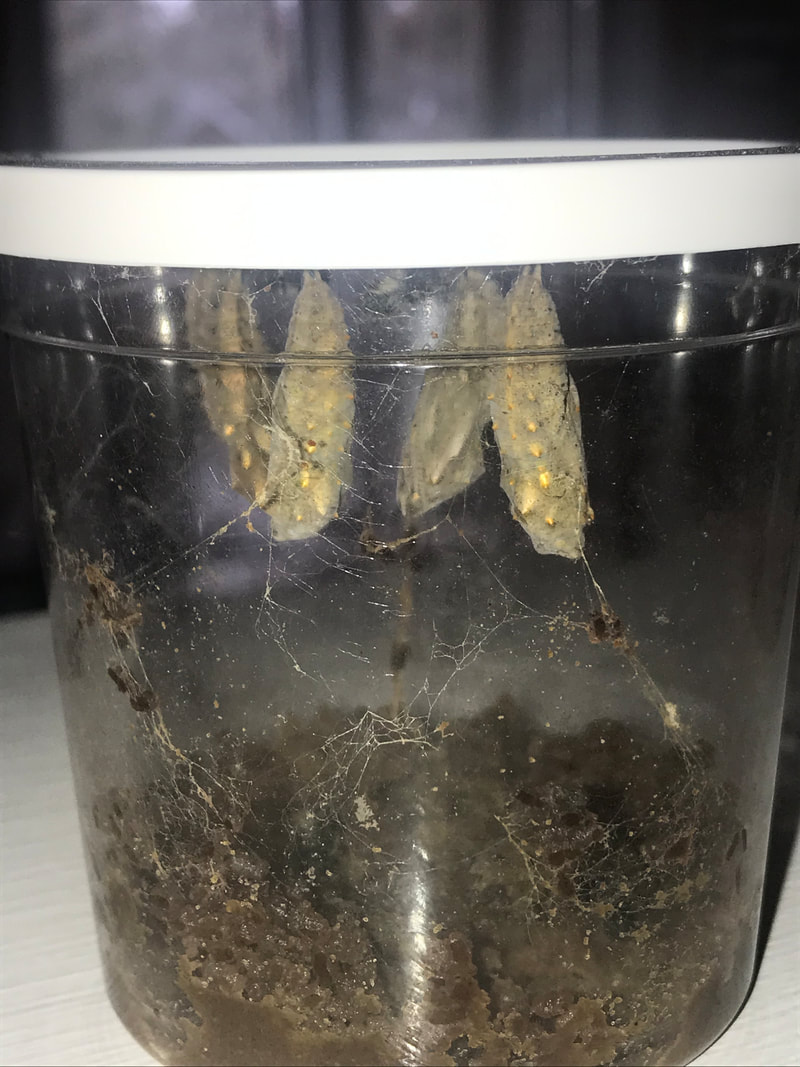
We've been checking out these guys during our virtual meetings but here are some close up photos of their process as they form their chrysalis!
Picture
Picture
Picture
Picture
0 Comments

“Special Person Day”******Kites/Boats

4/30/2020

0 Comments

 
“Special Person Day”
*Kites/Boats

*Hi Families...Today, the children will be doing this project at lunch time. They will be creating a kite using their sandwich and maybe either a piece of vegetable/fruit or a pretzel stick to create a string.
It sounds like a yummy snack to me. 

If we were in the classroom, we would be celebrating the special people in our lives. My hopes for this project that you will sit down and eat lunch with your child and talk about all the people that you are grateful for and why. 

Before or after lunch, you can create a boat using either a sponge, a piece of styrofoam or a piece of a pool noodle. You will also need a straw or a small stick for a mast and a piece of paper or cloth for a sail. 

What is our theme? Weather/wind (Kites & Sailboats)

What is the lesson (overall purpose)?  What do you need to be able to fly a kite? Wind! Kites come in all shapes and sizes. Today you will be creating a kite using your lunch. 

After lunch why not make a boat with a special person in your house. 

MA Guidelines/Standards:
Style and Language 15.1: Listen to age appropriate poems.
Earth’s Materials 1.2: construct pinwheels, miniature kites, sailboats

Learning Outcomes: I hope that your child will realize that we need the wind. It helps us to travel and to have fun (airplanes, helicopters, hot air balloons, sailboats and kites). Brainstorm: How else can wind and air help us? 

Songs, Books & Videos (Motivational Techniques) Exploring Air & Air Pressure: https://youtu.be/Grziaq-caVE 

Book: Kite Day https://youtu.be/9IGmeddXs3o 

Learn about Sailboats for kids https://youtu.be/6pM96WzoY48 

Mid American Energy https://youtu.be/FE5FqNGn53E 

Five Little Kites 
One, two, three, four, five little kites (Hold up fingers as you count.) 
Flying up in the sky (Fly fingers in the air.)
Said “hi” to the clouds as they passed by, (Pretend to wave to clouds.)
Said “hi” to the birds, said “hi” to the sun, (Wave.)
Said “hi” to the airplanes, oh what fun. (Wave.)
Then “swish” went the wind, (Move hand down in a
And they all took a dive: swooping motion.)
One, two, three, four, five. (Hold up fingers one at a time and count.)

Materials
-Something that floats (styrofoam, sponge, a cookie like piece of a pool noodle, plastic bottle bottom).

-a mast: small stick, straw 

-a sail: triangle piece of paper or cloth (material). 

Activity (Procedure):
Watch: Learn about sailboats for kids (link above)

Build your own sailboat and then try it out in the sink or bathtub (or a container of water outside)


Activity Wrap Up
: 

5 little kites poem. Read/listen to the book Kite Day, read by the author himself (link is above). 

Try the science experiment about air (all you need is a balloon and a clear plastic bottle (see link above). 

How do I know what my child is learning? (Assessment)
Has your child ever been on a boat? sailboat? Ask your child if they remember that time. What did they like? What didn’t they like? If they haven’t been on a sailboat or boat...why don’t you write it down and create a summer bucket list of things that you would like to try. 

How can you extend this activity? (Modifications)
*Drive down to a marina or harbor to see if you can see any boats. What kind of boats do you see? 
*If you have your own boat: Can you name the parts of the boat? 
*Go to the beach and fly a kite! 

Helpful Hints: (Pitfalls & Solutions)
If you don’t have a kite: make one. There are all different types of kites. You can make one out of a bag (plastic or paper), etc. Be creative. : )


​
0 Comments

Colors of the wind

4/29/2020

0 Comments

 
Hi Families…

Today you will be creating a windsock with either rolled up paper, toilet paper roll, crayons, watercolor paint and string. 

What is our theme? Weather/Wind

What is the lesson (overall purpose)?  Create a windsock to see how wind moves

MA Guidelines/Standards:
Earth’s Materials 1.2: Explore and discuss what air is or does

Learning Outcomes: I would like your child to learn how to make their own windsock and then hang it outside. How does the wind move it? Does it fly out straight or does it get all twisted up in the wind. 


Songs, Books & Videos (Motivational Techniques)
How does a windsock work
https://youtu.be/jRsZkhyGvng

Colors Of The Wind (song): https://youtu.be/fMY-wBrqS1Q 


Materials
-Toilet paper roll or watercolor paper
-colorful tissue paper/crepe paper
-tape
-glue
-string (yarn, dental floss, fishing twine, skinny rope)
-crayons/markers/watercolor paint


Activity (Procedure):
*Using a crayon (light colors work best) create a design on the toilet paper roll (or paper)
*Then using darker colors (purple, blue’s etc.) watercolor paint over it (crayon resistant)
*Let dry
*then tape string to it (if using a piece of paper, roll it up to make a cylinder. Then fasten the string to it.
*dance with it or hang it up near a window/door inside to watch it in the wind.

Activity Wrap Up: 
Experiment with your windsock. What happens if you make shape holes in it, will the wind go through it the same way? 

How do I know what my child is learning? (Assessment)
Have your child say what they see when they are observing their windsock (ie. the wind is making it turn. Now the wind is making it go up and down, etc.). 


How can you extend this activity? (Modifications)
Go on a hunt and look for different types of windsocks (decorative vs. functional). Is there an airport nearby? Can you spot any there? Near a boat yard? water way? etc. 

Create a windchime!

Helpful Hints: (Pitfalls & Solutions)
It might help to stuff a little bit of rolled up newspaper in your toilet paper roll if it keeps sinking in and collapsing when coloring or making designs on it. 


​
0 Comments
<<Previous
Forward>>

    Author

    Ms. Nancy - Pre-Kindergarten Teacher 

    Archives

    June 2020
    May 2020
    April 2020
    March 2020

    Categories

    All

    RSS Feed

Powered by Create your own unique website with customizable templates.